Tile Adhesive & Grout Supplier in Dubai
Globix Trading supplies cementitious tile adhesives, flexible and non-shrink grouts, and tile-fixing accessories to contractors and fit-out companies across Dubai and the UAE.
Tile failure on a UAE facade or a heated wet area is nearly always an adhesive-class problem. We supply the full classification range — C1 standard set through to C2S1 and C2S2 deformable — and can advise which class the substrate and tile format actually require.
Large-format porcelain, natural stone, glass mosaic and exterior cladding all place different demands on the adhesive. Send the tile spec and we will match it.
What We Supply
Technical data sheets available on request for every product.
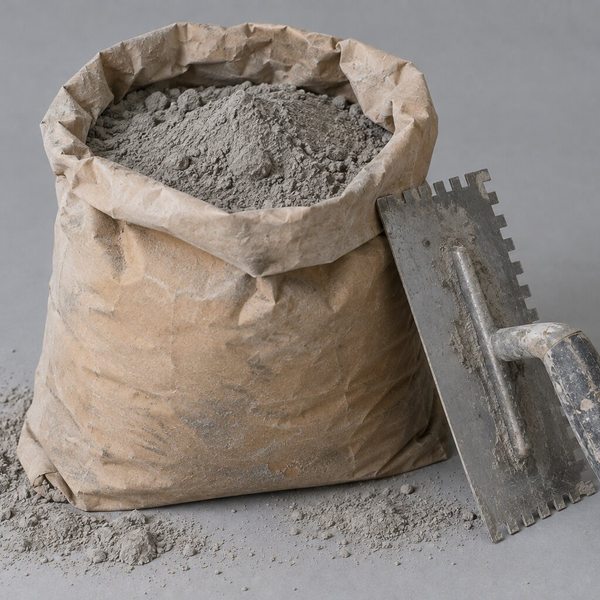
Cementitious Tile Adhesives
C1, C2, C2S1 and C2S2 classes for interior, exterior, wet area and large-format applications.
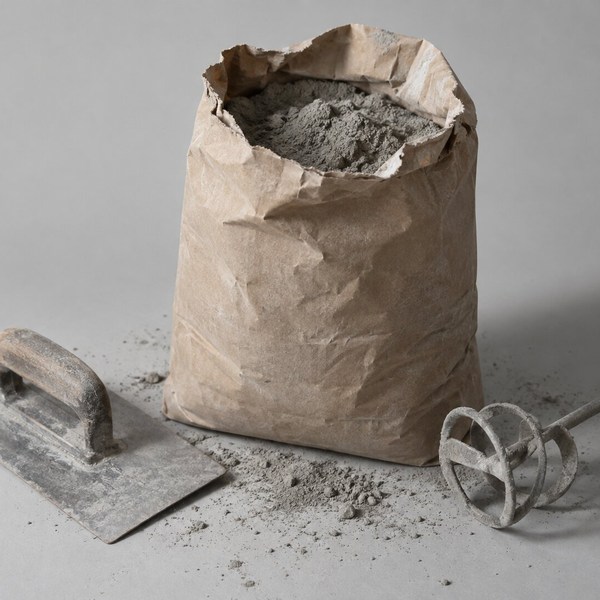
Tile Grouts
Cementitious and epoxy grouts, flexible and non-shrink, in a range of standard colours.
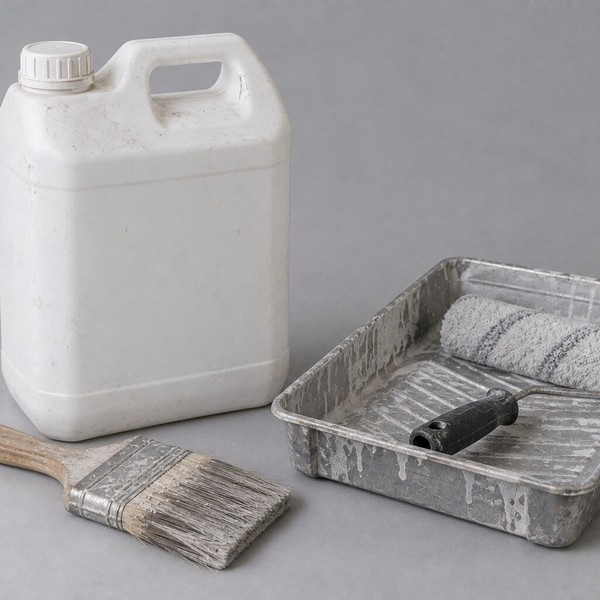
Substrate Primers
Bonding primers for low-absorbency, dense and previously coated substrates.
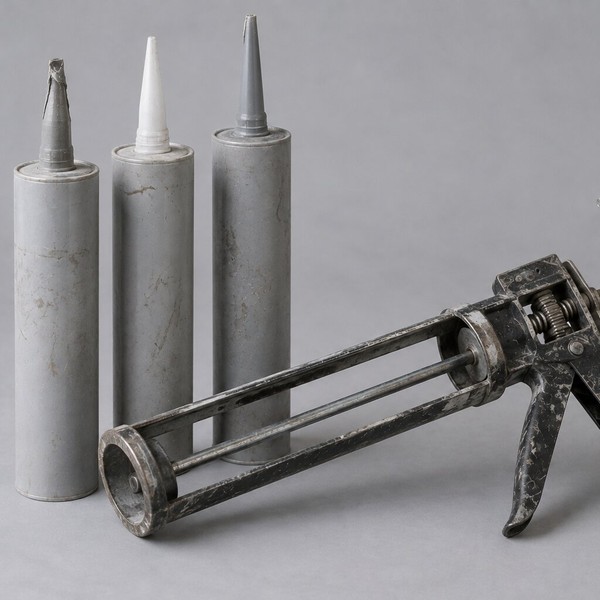
Silicone Joint Sealants
Sanitary and neutral-cure silicones for movement joints and perimeter detailing.
Tile Adhesive Classes Explained
Tile adhesives are classified under EN 12004. The class tells you what the adhesive can bond and how much movement it tolerates.
| Class | What it means | Typical use |
|---|---|---|
| C1 | Normal cementitious adhesive | Small to medium ceramic tiles on stable interior walls and floors. |
| C2 | Improved adhesion and strength | Porcelain, large tiles, external areas and wet zones. |
| S1 | Deformable, accepts some movement | Large-format tiles, underfloor heating and floors with minor movement. |
| S2 | Highly deformable | Substrates with significant movement or thermal cycling. |
Send the tile type and size, the substrate (screed, concrete, plasterboard or existing tiles), interior or exterior use, and the area to be covered. We will recommend a class and quote adhesive, grout and accessories together. Request a quote or message us on WhatsApp.
How to Choose and Order Tile Adhesive
Six checks that prevent most tiling failures, in the order we work through them when we quote.
Start with the tile, not the adhesive. Porcelain and other low-absorption tiles need an improved (C2) adhesive. Large-format tiles, commonly anything with a side above 60 cm, are normally set with a deformable (S1) grade using a full bed and back-buttering so there are no voids under the tile. Small absorbent ceramic on a stable interior wall is the main case where C1 is enough.
Check the substrate. Cement screed and concrete must be sound, clean and cured, with no dust, curing compound or laitance on the surface. Plasterboard, gypsum plaster and anhydrite screeds need the primer named on the adhesive data sheet. Existing tiles can be tiled over only if they are firmly bonded and degreased.
Match the exposure. Showers, balconies, terraces, facades and pools call for C2 or C2S1 adhesive, a waterproofing layer wherever water can reach the substrate, and a flexible grout. White adhesive suits glass, light marble and translucent stone, because grey adhesive can show through.
Plan for UAE heat. Open time shortens on hot or windy sites. Spread only the area you can tile within the open time, keep bags in shade, and follow the temperature limits on the data sheet.
Carry movement joints through. A joint in the substrate must continue through the tile layer and be filled with a flexible sealant, not grout.
Order it as one system. Quote the adhesive, primer, grout and joint sealant together. Coverage depends on the trowel notch size, so give us the area and the tile size and we will work out the quantities from the data sheet.
Read next: Waterproofing membranes · Primers and bonding agents · Joint sealants · Waterproofing membrane types guide
Construction Chemical Brands We Supply
As a general trading company we source across the UAE market and supply to the brand and specification your project calls for. Brand names are shown for identification of the products we can arrange.
Where It Is Used
Common Questions
What is the difference between C1 and C2 tile adhesive?
C1 is a standard-set cementitious adhesive; C2 has improved adhesion for demanding substrates. The S1 and S2 suffixes indicate deformability, which matters for large-format tiles and heated or exterior applications.
Do you supply adhesive for swimming pools?
Yes. Pools need a C2S1 or C2S2 class adhesive and a suitable epoxy or cement grout rated for continuous water immersion. We supply both.
Can you supply tile adhesive in bulk for a project?
Yes. Give us the tile format, substrate and total area, and we will quote the adhesive class and quantity including wastage allowance.
Which adhesive is right for large-format porcelain tiles?
Use a C2 S1 adhesive and apply it to both the substrate and the back of the tile so there are no voids. Large tiles in direct sun or exterior areas also need movement joints.
Can I tile over existing tiles?
Yes, if the old tiles are firmly bonded, degreased and keyed. Use a C2 adhesive and a bonding primer where the surface is glazed or non-porous.
Often Specified Together
Products commonly quoted alongside this one, or see the full chemicals & sealants range.
Surface Primers & Bonding Agents Supplier in the UAE
Concrete primers, SBR and epoxy bonding agents, surface hardeners and curing compounds supplied across the UAE.
Waterproofing Membrane Supplier in Dubai
Liquid-applied and sheet waterproofing membranes supplied across Dubai, Sharjah and the UAE.
Construction Sealants Supplier in the UAE
Silicone, polyurethane and hybrid construction sealants supplied across the UAE for facades, structural glazing and movement joints.
Need a Quote?
Send your specification, grade and quantity — we will come back within 24 hours with pricing and availability.