Most waterproofing failures in the UAE are not caused by a bad product. They are caused by the right product used in the wrong place, or the right product applied without the details that make it work. Roofs bake at high temperature and take thermal movement every day, podium decks hold ponded water, basements sit close to groundwater that can be saline near the coast, and wet areas are tiled over, so a failure means breaking out finished work. Choosing a membrane type is the first decision, and it is worth getting right before you price anything.
The main membrane types and where they fit
No single membrane suits every substrate and exposure. The table below summarises the families we are most often asked about, as a starting point rather than a specification. Always check the product data sheet and the project specification.
| Membrane type | Typically used for | Points to check |
|---|---|---|
| Polymer-modified cementitious | Wet areas, tanks, planters and balconies under tile | Easy to apply and bonds well to concrete. Limited crack-bridging in some grades, so check the flexibility class. |
| Liquid-applied polyurethane | Roofs, terraces and balconies needing a seamless finish | Excellent crack-bridging. Some grades need a UV-stable topcoat or protection layer when left exposed. Surface must be dry and primed. |
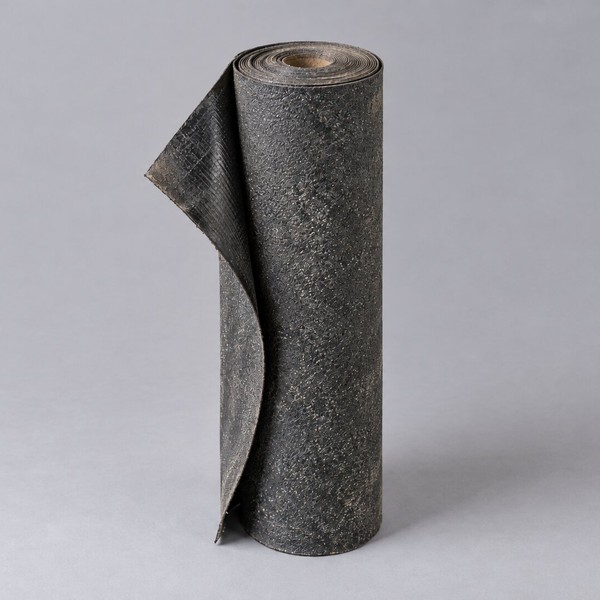
| Bituminous sheet (APP or SBS) | Roofs, podium decks and below-ground structures | Proven and robust. Torch-applied sheets need hot-work control, and a protection layer is normally required over the top. |
| PVC or TPO single-ply | Exposed roofs where a reflective surface is wanted | Heat-welded seams are critical. Needs competent installers and careful detailing at penetrations. |
| Crystalline systems | Basement slabs, water tanks and concrete structures | Works inside the concrete, so it needs good concrete and is not a substitute for a surface membrane where movement is expected. |
Match the membrane to the exposure
Exposed roofs. UV and temperature are the enemy. Either choose a membrane designed to stay exposed, such as a reflective single-ply or a UV-stable liquid system, or cover the membrane with a protection layer and finish. Putting a membrane that is not UV-stable in direct sun is one of the quickest ways to lose it.
Podiums and planters. Where there is soil, ponded water and root pressure, a robust sheet system with a protection layer and drainage is the usual answer. Liquid systems can work if the specification allows them, but the surface preparation and drying time become critical.
Basements and below-ground structures. Check whether the specification works to BS 8102 or a similar below-ground standard, and whether the membrane will be applied on the positive side, where the water pressure presses it against the structure, or the negative side. Crystalline and cementitious systems are common on the negative side but are a different strategy from a positive-side sheet membrane.
Wet areas under tile. A flexible cementitious or liquid-applied membrane is normal, with the tile adhesive chosen to bond to it. Cementitious membranes used beneath tiles are commonly tested to EN 14891, and the adhesive and the membrane should come from a compatible system.
Where waterproofing actually fails
The membrane itself is rarely the weakest point. The usual causes are the following.
- Poor surface preparation. Laitance, dust, oil, loose concrete and damp substrates all stop a membrane bonding. Primer is not optional where the data sheet calls for it.
- Weak details. Upstands, drain outlets, pipe penetrations, expansion joints and corners need reinforcement or purpose-made accessories, and are where leaks start.
- No protection layer. A membrane that is walked on, covered with screed or hit by following trades without protection will be damaged before the building is handed over.
- Skipped testing. A flood test on horizontal surfaces, held for the period the specification requires, finds leaks while they are still cheap to fix. Skipping it moves the discovery to after handover.
- Mixing incompatible products. Primers, membranes, sealants and adhesives should be checked as a system. A solvent in one product can attack another.
What to send us when you need a quote
A good enquiry for a waterproofing membrane describes the situation rather than just naming a product:
- The element, for example roof, podium, basement slab, wet area or water tank
- The substrate and its condition, concrete, screed or existing membrane
- Whether the membrane will be exposed to sun, covered or tiled over
- The area in square metres and any detailing needed such as drains, upstands and joints
- The standard or specification the project works to
We supply liquid-applied and sheet waterproofing membranes with the primers and accessories to complete the system, and we will tell you if a product you have asked for does not suit the exposure. See our waterproofing membrane supply page, and note that movement joints in the same area will need expansion joint systems, while tiled areas need a compatible tile adhesive and surfaces often need a primer or bonding agent.