Fire Retardant & Firestop Sealant Supplier in the UAE
Intumescent, fire-rated acrylic and fire-rated silicone sealants for penetrations and joints, quoted against the system you describe.
Searches for fire retardant sealant usually come from a contractor who has a penetration to close and an inspection to pass. The product that does the job is a firestop sealant, and the important point is that in the UAE it is the tested system that is certified, not the tube. We supply fire-rated and intumescent sealants for through-penetrations, linear joints and perimeter gaps, and we quote against the penetration you describe rather than against a product name.
Three product families cover most site conditions. Intumescent acrylic sealants swell when heated, which makes them the right choice around plastic pipes and cable bundles that will not survive a fire. Fire-rated acrylic sealants suit static joints and penetrations by non-combustible services, and can be painted in finished areas. Fire-rated silicone sealants handle joints that move, such as building movement joints and curtain wall perimeters.
We would rather say this plainly than sell you a cartridge that fails inspection: the product is one part of a certified system, and installation to the tested detail is what makes it compliant. Ask for the third-party certificate and the tested system detail that matches your configuration, and check that it is registered with Civil Defence before material reaches site. Our guide, Firestop Sealants and the UAE Fire & Life Safety Code, explains the standards and the common site errors in full.
What We Supply
Technical data sheets available on request. Certification to be confirmed against your tested system.
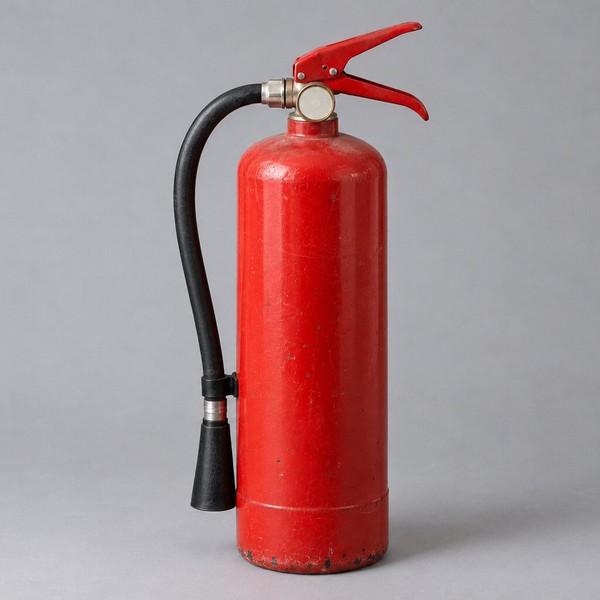
Intumescent Sealants
Expand on heating to seal gaps around plastic pipes, cable bundles and other combustible services.
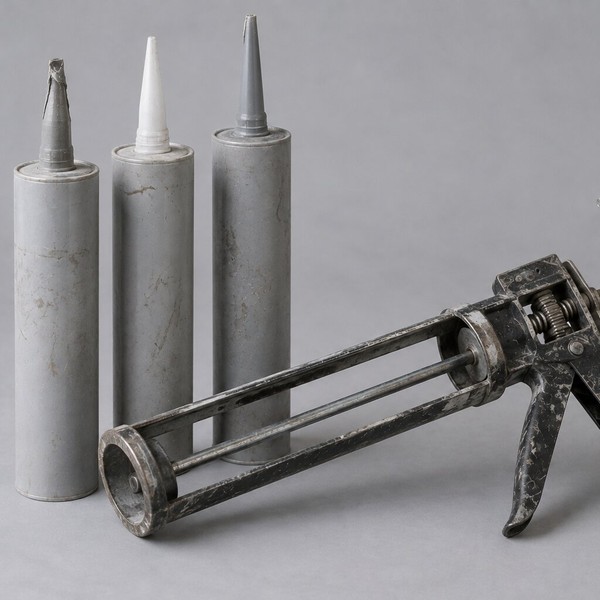
Fire-Rated Acrylic Sealants
For static or low-movement joints and non-combustible penetrations. Paintable for finished areas.
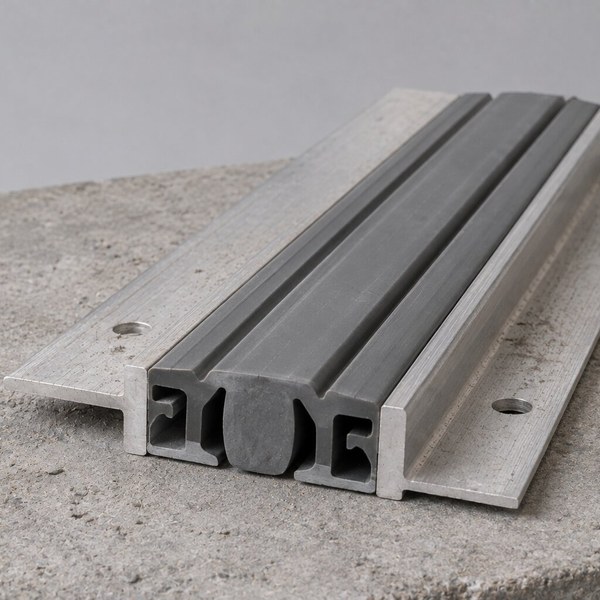
Fire-Rated Silicone Sealants
Low-modulus silicones for movement joints and perimeter gaps, rated by the tested system.
Choosing a Firestop Sealant
A starting point only. The final choice must follow the tested system for your penetration.
| Product type | Typical use | Points to check |
|---|---|---|
| Intumescent acrylic | Plastic pipes, cable bundles and other combustible services | Expands on heating to close the gap. Must match a tested system for the service and gap size. |
| Fire-rated acrylic | Static joints, head-of-wall details and non-combustible penetrations | Paintable. Not suited to joints that keep moving after installation. |
| Fire-rated silicone | Building movement joints and curtain wall perimeters | Handles movement. Check the movement capability and fire rating in the tested assembly. |
| Mineral wool or backing | Fill and support behind the sealant | Depth and density are part of the tested system. Omitting backing puts you outside the test. |
Send the rated element, the service passing through it, the gap, joint movement and the hours of rating required. Request a quote or message us on WhatsApp.
Where It Is Used
Common Questions
Is fire retardant sealant the same as firestop sealant?
The terms are often used interchangeably in searches, but the certified product category is firestop sealant. A firestop sealant is one component of a tested system that restores the fire rating of a wall or floor where a pipe, cable or duct passes through it. A sealant that is merely fire retardant, or that carries a general fire rating on its data sheet, is not necessarily certified for a particular penetration.
Does a fire-rated sealant on its own meet the UAE Fire & Life Safety Code?
No. The code requires firestop arrangements to be tested and certified as a system by a recognised third-party body and registered with the Civil Defence Authority. The sealant is only compliant when it is installed in the tested configuration: the right wall or floor construction, service type and diameter, annular gap, backing material and sealant depth. Our guide to the code explains this in detail.
Which sealant should I use around plastic pipes and cable bundles?
Intumescent sealants are normally chosen for combustible services such as plastic pipes and cable bundles, because the material expands when heated and closes the gap left when the service burns or melts away. The exact product and depth must still match a tested system for your configuration.
Which sealant suits a joint that moves?
Where a joint expands and contracts, such as a building movement joint or a curtain wall perimeter, a low-modulus fire-rated silicone is the usual choice because acrylics eventually crack and intumescent products do not accommodate repeated movement. Check the movement capability and fire rating on the product data sheet and the tested system.
What should I send you to get a quote?
Describe the penetration rather than naming a product. Send the rated element and its thickness and fire rating, what passes through it and its diameter, the annular gap, whether the joint will move, and the rating you need in hours. If we cannot match the product to documentation for your configuration, we will tell you before you order.
Explore the Full Range
Firestop Sealants and the UAE Fire Code
What contractors get wrong about tested systems and Civil Defence registration.
Construction Sealants
Silicone, polyurethane, polysulphide and hybrid sealants for facades and joints.
Expansion Joint Systems
Joint covers, waterstops and fillers for structural movement joints.
Chemicals & Sealants
The full construction chemicals and sealants range.
Request a Quote
Describe the penetration and we will quote within 24 hours.
Need a Quote?
Send your requirement, specification and quantity — we will come back within 24 hours with pricing and availability.